


 Illinois
Latest Coverage
See all articles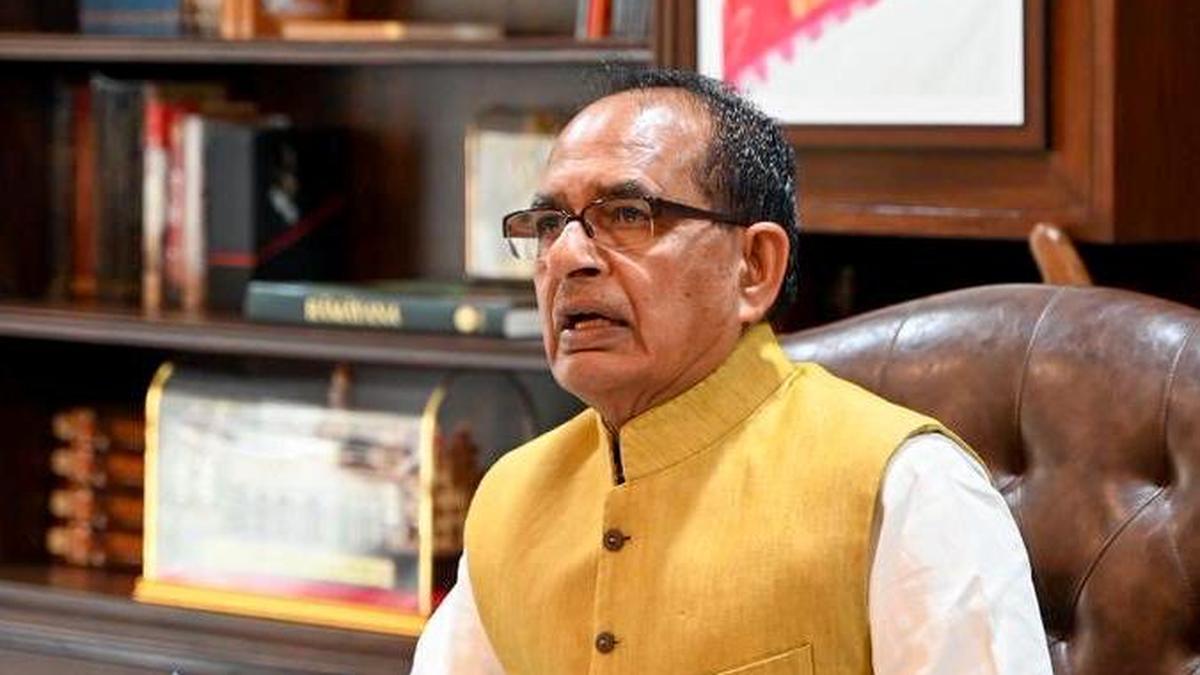
CropLife demands 5-year data protection in pesticides bill
CropLife India, a pesticide industry body, has suggested some changes in the Draft Pesticides Management Bill, including a five-year regulatory data protection provision as its absence will be discouraging for companies to introduce newer and safer crop protection technologies in India. The Bill, which missed the previous deadline of Budget session, is ready and could be introduced in the next parliament session, Union Agriculture Minister Shivraj Singh Chouhan said in Lucknow.
CropLife, representing nearly 70 per cent of the domestic pesticide industry, has said that while the draft Bill incorporates several positive reforms, certain structural gaps and policy concerns remain that may undermine the effectiveness of the law and its long-term objectives.
However, it does not contain any specific provisions regulating the manufacture, distribution and sale of pesticides through e-commerce platforms and online marketplaces, despite the rapid growth of digital channels for procurement of agricultural inputs, the industry body pointed out. These e-commerce platforms selling insecticides are not required to obtain any license or approval.
China’s protection
Highlighting that introduction of new pesticide molecules requires extensive scientific research and long-term generation of data on toxicity, residues, environmental impact and efficacy, it said that in the absence of regulatory data protection, innovators are unable to recover these investments, which discourages development of newer, safer and more effective products for farmers.
China offers 6 years of data protection after first registration, and the EU, Brazil and the United States each provide 10 years, he said.
“Farmers in turn continues to depend on older and generic molecules, many of which are more hazardous and less effective against evolving pest-resistance and challenges. Regulatory data protection is thus a key public policy tool to encourage the availability of newer, safer and more effective products for farmers,” said Ankur Aggarwal, chairman of CropLife India.
Addressing media on Friday, Aggarwal said that the association has submitted formal recommendations to the Ministry of Agriculture and Farmers Welfare on the draft bill in February, proposing a time-bound framework of five years from first registration. The proposal would cover both patented new molecules and off-patent ones where a company has independently generated fresh registration data.
Fears of misuse
He said that crop losses are between 10 and 35 per cent due to pests and diseases, estimated to be worth Rs 2 lakh crore per year.
Aggarwal said newer chemistries are more targeted, require lower doses, and are better suited to mounting challenges - erratic pest pressures, growing resistance, and tightening residue requirements in key export markets such as the EU and the UK. On the other hand, out of 338 molecules registered in India, a large number of these were introduced 4 decades ago.
He also said that the association has suggested that only nominated responsible persons — on the model of the Food Safety and Standards Act, 2006 — be held liable, rather than indiscriminately prosecuting directors and senior officials with no operational link to an alleged violation.
He also cautioned that provisions in the draft bill could be misused to convert a temporary measure into a de facto permanent ban without conclusive scientific findings, which is a significant departure from the 60-90 days of ceiling under the current Insecticides Act, 1968.
Stressing that decriminalisation framework should ensure that minor inadvertent deviations are treated differently from wilful violations, CropLife said: “For minor or trivial non-compliances, there should be a statutory mechanism for issuing a rectification notice in the first instance. Penalties should be imposed only if such rectifications are not complied with, similar to corrective compliance frameworks already adopted under other regulatory regimes like the recent Seeds Bill 2025.”
Published on April 24, 2026