


 Michigan
Latest Coverage
See all articles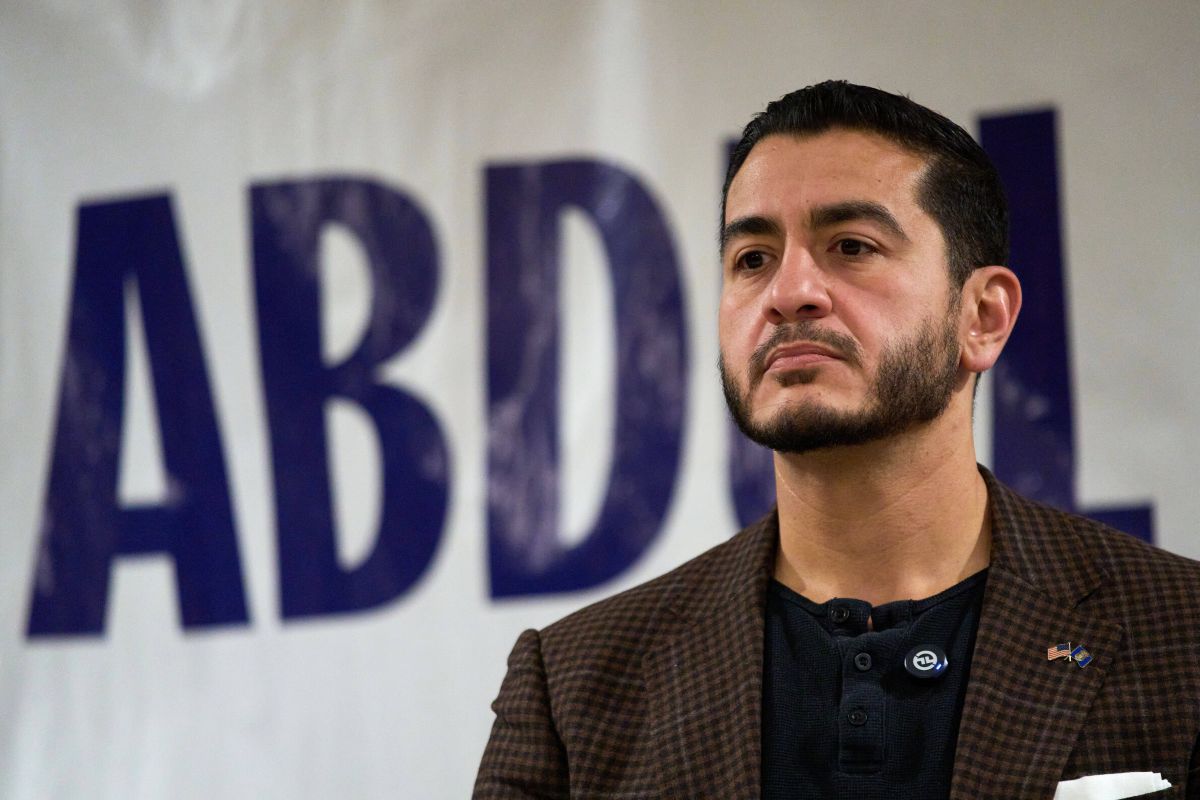
Abdul El-Syed's chances against Haley Stevens, Mallory McMorrow in Michigan
Abdul El-Sayed has surged into a tie with state Senator Mallory McMorrow at 24 percent in Michigan's Democratic U.S. Senate primary, according to a new Emerson College Polling survey. He has gained eight points since January, positioning the Bernie Sanders-backed physician as a leading candidate among younger voters with four months to go before the August 4 primary.
The gain marks a sharp shift in the race to replace retiring Senator Gary Peters. In Emerson’s January poll, McMorrow led with 22 percent, Representative Haley Stevens had 17 percent, and El-Sayed trailed at 16 percent. Stevens has since fallen to 13 percent, while 36 percent of voters remain undecided.
The polling highlights a clear generational divide. Voters under 40 favor El-Sayed over McMorrow by 17 points—35 percent to 18 percent—while voters over 50 back McMorrow by 12 points, 29 percent to 17 percent. That split could determine whether El-Sayed’s surge holds through August.
“El-Sayed has energized younger voters with a progressive platform centered on Medicare for All and challenging corporate power,” said Spencer Kimball, executive director of Emerson College Polling. An endorsement from Sanders and recent rallies with streamer Hasan Piker have helped consolidate progressive support, despite attacks from the centrist think tank Third Way.
That dynamic is also visible on the ground. At a recent rally in Ann Arbor, hundreds of mostly young voters lined up to see El-Sayed alongside Piker, many expressing frustration with both political parties but still turning out in large numbers.
The Electability Question
El-Sayed faces a key challenge: early general-election polling suggests he performs worse against Republican Mike Rogers than his rivals do. A January Emerson poll found Stevens leading Rogers 47.3 percent to 41.6 percent, McMorrow ahead 45.7 percent to 42.6 percent, and El-Sayed nearly tied at 42.5 percent to 42.8 percent. A Glengariff poll showed a similar gap, with Rogers leading El-Sayed 48 percent to 41.6 percent.
McMorrow, 39, has positioned herself as a pragmatic bridge between the party’s left and center. She secured Massachusetts Senator Elizabeth Warren’s endorsement in March and has emphasized her record of defeating a Republican incumbent.
Stevens, meanwhile, has aligned more closely with the Democratic establishment, earning support from Senate Minority Leader Chuck Schumer and AIPAC—potentially a liability in a primary in which 64 percent of voters say they are less likely to support a candidate who receives pro-Israel lobby donations.
The primary electorate is notably dovish on foreign policy. Seventy-five percent of Michigan Democratic primary voters oppose U.S. military action against Iran, compared to 78 percent of Republicans who support it. That dynamic aligns with El-Sayed’s anti-interventionist stance and strengthens his appeal with the base he is targeting.
Primary voters rank the economy as their top concern at 40 percent, followed by threats to democracy (15 percent), health care (10 percent), housing affordability (8 percent), and education (8 percent). The focus on the economy may benefit McMorrow’s messaging on jobs and middle-class growth, even as El-Sayed’s health care platform resonates with a smaller but committed bloc of voters.
El-Sayed’s campaign disputes that argument, pointing to his 28-point net favorability rating—matching Stevens and exceeding McMorrow—as well as his ability to energize voters. Data for Progress polling suggests that if El-Sayed were to drop out, more of his supporters would shift to McMorrow than to Stevens, indicating the race could consolidate around McMorrow if turnout skews older.