


 Alaska
Latest Coverage
See all articles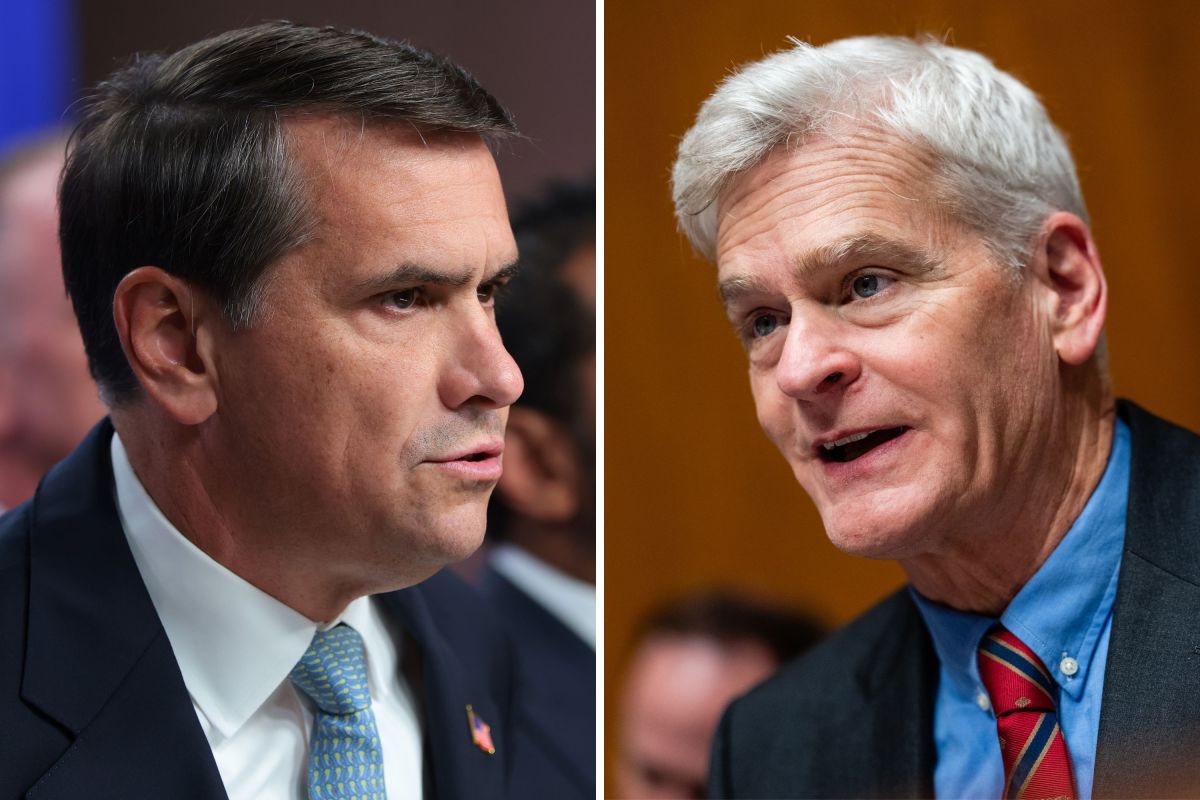
Bill Cassidy Backs Todd Blanche for AG as Murkowski, Collins Oppose
Todd Blanche's path to becoming attorney general received a major boost Friday after Senator Bill Cassidy announced he would support President Donald Trump's nominee, overcoming concerns that Republican opposition could derail the confirmation.
Cassidy's backing comes despite opposition from two prominent GOP moderates, Senators Lisa Murkowski of Alaska and Susan Collins of Maine, who have cited concerns about Blanche's actions as acting attorney general and his handling of several high-profile controversies.
With Democrats expected to oppose Blanche, Cassidy had emerged as a key swing vote after Republicans Susan Collins and Lisa Murkowski signaled they would vote no. His support significantly strengthens Blanche's chances of securing Senate confirmation.
Read More on News
Cassidy said Friday that he had consulted former Attorney General William Barr and concluded Blanche's prior role as Trump's lawyer did not necessarily mean he would act as a rubber stamp for the president.
According to Cassidy, Barr argued that representing a client effectively requires "tough conversations" and difficult truths, and that Blanche's attorney-client relationship with Trump could make him more willing, not less, to push back when necessary.
"All considered, I will vote for Mr. Blanche," Cassidy said.
Why Collins Opposes Blanche
Collins announced Tuesday that she would vote against Blanche, saying "several actions" had further undermined the Justice Department's independence.
In a statement, the Maine Republican pointed to Blanche's role in a controversial settlement stemming from Trump's lawsuit against the Internal Revenue Service over the disclosure of his tax returns. Collins also cited reports that Blanche had privately promised an anti-abortion organization he would seek to prohibit the mailing of abortion medication nationwide.
The senator's opposition was particularly notable because Republicans can afford only a limited number of defections on closely contested nominations.
Why Murkowski Opposes Blanche
Murkowski announced Friday that she would also vote against Blanche.
The Alaska Republican cited multiple concerns, including the Justice Department's handling of files related to Jeffrey Epstein, the IRS settlement involving Trump and a proposed $1.8 billion "Anti-Weaponization Fund" tied to that agreement.
"The country needs an Attorney General who will check the worst impulses of this administration," Murkowski said, adding that she lacked confidence Blanche would do so if confirmed.
Murkowski also expressed skepticism that the administration had permanently abandoned the anti-weaponization fund, arguing it could potentially be revived after Blanche's confirmation.
The Fight Over the Anti-Weaponization Fund
Much of the opposition to Blanche centered on a Justice Department settlement resolving Trump's lawsuit against the IRS.
The agreement included a proposed $1.8 billion anti-weaponization fund intended to compensate people who claimed they had been unfairly targeted by government investigations. Critics argued the fund could benefit Trump allies and potentially some people convicted in connection with the January 6, 2021, Capitol riot.
Republican Senators John Cornyn of Texas and Thom Tillis of North Carolina initially threatened to block Blanche's nomination unless the administration provided written assurances that the fund had been permanently terminated and narrowed tax-audit protections included in the settlement.
In response, Blanche issued an order formally rescinding the fund, declaring it "shall have no force or effect." He also released a document limiting the scope of tax-audit protections tied to the agreement.
Those steps helped secure support from Cornyn and Tillis and allowed the nomination to advance.
Trump's Role in the Dispute
Trump repeatedly intervened as Blanche's nomination encountered resistance.
The president at times defended the anti-weaponization fund and threatened to push Congress to enact similar legislation if Blanche's nomination failed. He also floated the possibility of keeping Blanche as acting attorney general or resubmitting his nomination after the 2026 midterm elections if opposition persisted.
But after Blanche formally rescinded the fund and won over key Republican skeptics, the nomination regained momentum.