


 Montana
Latest Coverage
See all articles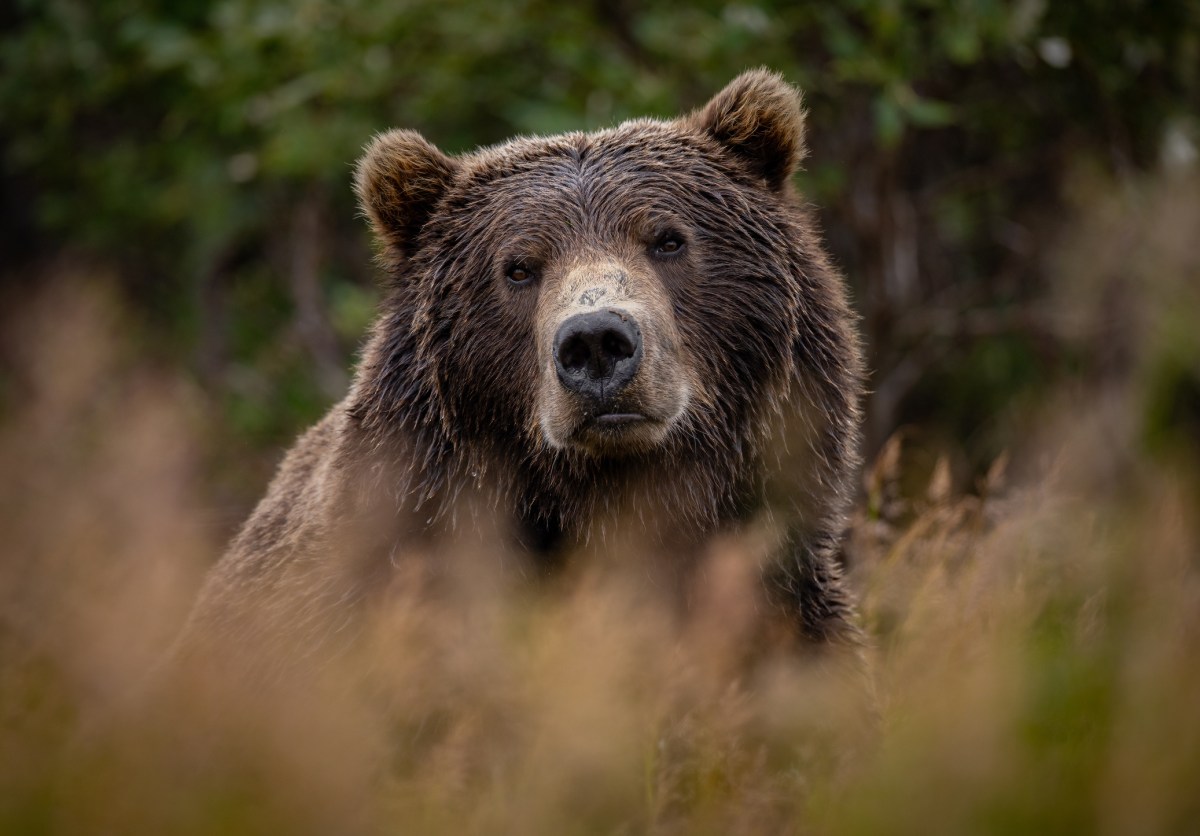
Republican Calls to End Grizzly Bear Protection After National Park Attacks
A Republican Representative has called for federal protections for grizzly bears to be removed following two separate bear-related incidents in U.S. national parks this month.
Ryan Zinke, of Montana, said grizzly bears should be delisted after the incidents in Glacier and Yellowstone national parks.
"Last week, two grizzly bear attacks claimed the life of a hiker in Glacier National Park and seriously injured two others in Yellowstone National Park," he wrote on X, formerly Twitter. "These tragedies are a sobering reminder that grizzly bear populations have recovered well beyond sustainable levels, and it is past time for the federal government to delist them and give states the management tools they need to protect both people and wildlife. Delist the grizzly."
Read More on News
Recent Incidents
Two hikers were injured on May 4 after a bear encounter in Yellowstone National Park. The National Park Service said the incident occurred on the Mystic Falls trail near Old Faithful.
In a statement, the agency said the hikers were injured by "one or more bears."
"National Park Service emergency services personnel responded to the incident, and it remains under investigation," officials said. Yellowstone National Park is home to both grizzly bears and black bears.
A separate incident in Glacier National Park resulted in the death of a 33-year-old hiker. Anthony Pollio, from Davie, Florida, was reported missing after last being heard from on May 3 while hiking in the park.
His body was discovered on May 6 about 50 feet off the Mount Brown Trail. Officials said his injuries were consistent with a bear encounter. Glacier National Park is widely known for its population of grizzly bears, with black bears also present in the area.
Reaction
Zinke's proposal prompted some backlash on social media about hiking safety in areas where bears are present.
Conservative commentator Tomi Lahren wrote in response to Zinke on X: "I mean…if you go hiking in the woods you accept the risk of that…if you want to hike in a safe space without wild animals in THEIR natural habitat, go to the fricken mall."
Another user wrote: "A grizzly attack in Glacier or Yellowstone is tragic. But acting shocked that bears exist in bear places, or that they should be cleared out for human recreation, is peak human entitlement. Maybe instead of delisting grizzlies, we should delist the belief that every wild place on Earth needs to be made human-friendly."
Bear Attacks
Bear attacks in the United States are rare and are often linked to specific risk factors, including bears being startled or becoming accustomed to human food. Safety and prevention measures such as proper food storage, leashed dogs, and carrying bear spray are commonly recommended in areas where bears are known to live and wander.
Data from BearVault, which manufactures bear-resistant food containers, shows that since 1974 there have been 66 fatal black bear attacks and 82 fatal grizzly bear attacks.
Grizzly bears were listed as a threatened species in 1975 after populations in the lower 48 states fell sharply due to hunting, habitat loss, and human expansion.
At the time, the species occupied less than 2 percent of its historic range in the contiguous United States.
A 2023 Congressional Research Service report estimated that as of 2021, grizzly populations included about 1,095 bears in the Northern Continental Divide ecosystem in Montana and about 727 in the Greater Yellowstone ecosystem across Wyoming, Montana, and Idaho. Smaller populations exist in other northern regions.
Under the Endangered Species Act, listed species receive protections including prohibitions on harming or killing animals, designation of critical habitat areas, recovery planning requirements, and federal oversight of projects that could affect species survival or habitat. The law is administered by the U.S. Fish and Wildlife Service for land species and is intended to support recovery until species can be considered for removal from the protected list.
Delisting
In January 2025, the U.S. Fish and Wildlife Service rejected requests from Montana and Wyoming to remove federal protections for grizzly populations in the Greater Yellowstone and Northern Continental Divide ecosystems.
The agency said those populations had met recovery goals but would remain listed under the Endangered Species Act.
Delisting would transfer primary management authority from federal agencies to individual states with bear populations, such as Montana, Wyoming, and Idaho, which would then oversee population management and conservation policies.