


 California
Latest Coverage
See all articles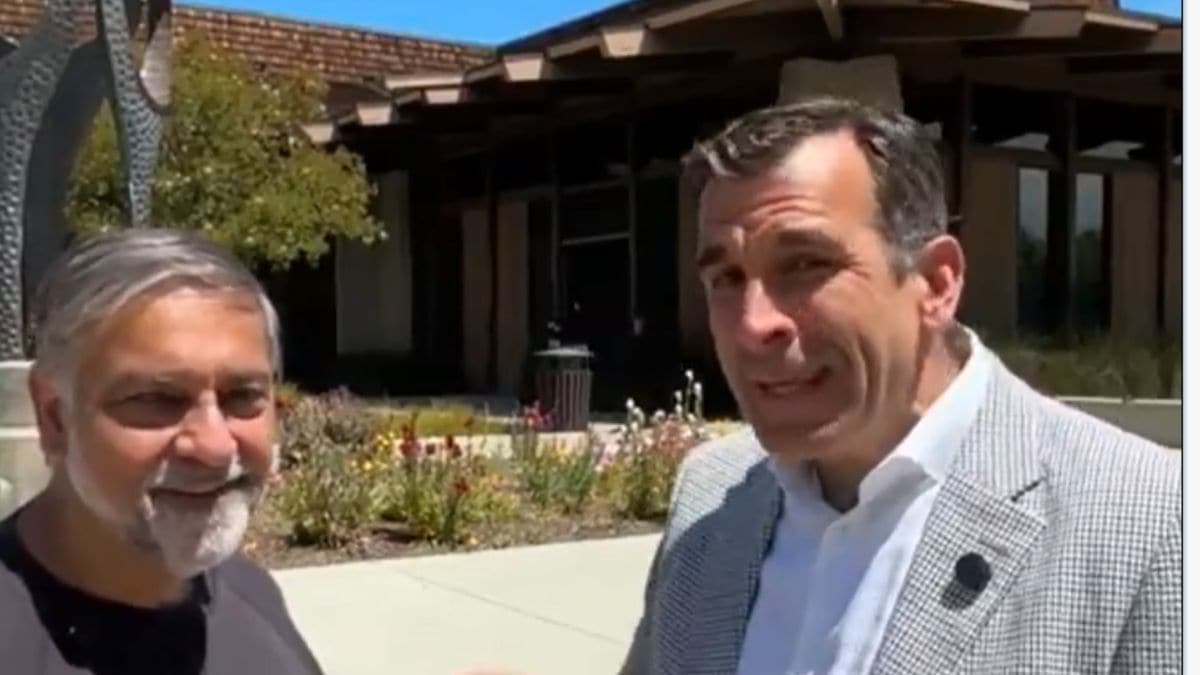
CEO moves startup to India after facing Silicon Valley visa nightmare: ‘Those jobs should have been in the US’
Liccardo, who represents one of the most technology-driven districts in the United States, said the policies threaten the very system that helped make America a global leader in innovation.
“Donald Trump is pouring liquid Drano over the world’s greatest magnet for human genius,” Liccardo said. “And we’re going to pay the price for generations.”
The congressman pointed to three immigration policies that he believes are especially harmful. One proposal would place a four-year limit on how long international students can stay in the US on F-1 and J-1 visas. Another could force some green card applicants to leave the country while their applications are still being processed. The third issue involves long delays in DACA renewals, which are already affecting workers and employers across the Bay Area.
Business leaders say Immigration drives Silicon Valley
Several business leaders also joined the discussion and highlighted how immigrants are tied to Silicon Valley’s success. Libby Schaaf, former mayor of Oakland and current CEO of the Bay Area Council, highlighted how much immigrants contribute to the region’s economy.
Entrepreneur and researcher Vivek Wadhwa shared data showing that immigrant-founded startups once made up 52% of Silicon Valley companies about a decade ago. That number has since dropped to 43% as visa restrictions tightened over the years.
Wadhwa also shared his own experience trying to launch a medical diagnostics startup in Silicon Valley. He said he struggled to hire highly skilled workers such as biomedical engineers, plasma physicists, and electrical engineers because of visa-related hurdles.
Eventually, he moved the company to India. The business now employs 45 people there and is expected to grow even larger in the future.
“Those jobs could have been here in Silicon Valley,” Wadhwa said. “This is the result of US immigration policies, and this is the future unless we do something about it.”
Wadhwa added that the company is expected to grow to hundreds of employees soon. He stressed that those jobs should have stayed in the United States. “Those jobs should have been here. This is my home,” he told the Democratic senator.
The senator then asked whether having a few dozen visas could have created hundreds of additional jobs for Americans. Wadhwa replied, “Absolutely.” He added, “This is how it works. The technology itself is going to impact humanity in a very positive way. It will give us a competitive edge in the medical diagnostics field. But look where this is now, in India.”
Wadhwa said this situation is happening “over and over and over again” because of current immigration barriers. He also told the senator that the effort to address the issue is extremely important.
The senator responded by saying the United States cannot continue building “a growing wall” if it wants to remain competitive and innovative.
Sharing the clip online, Liccardo wrote, “America cannot win the 21st Century by educating the best and brightest from around the world –and then sending them back to China, India, and elsewhere to compete against us.”
Libby Schaaf, former mayor of Oakland and current CEO of the Bay Area Council, highlighted how much immigrants contribute to the region’s economy.
“About 35% of Bay Area residents are immigrants, and immigrants founded more than 40% of all tech startups in the region,” Schaaf said. “Sensible immigration policies are not just a political or moral issue. They are a business and economic issue. It makes good business sense, good economic sense.”
Concerns Over International Student Visa Limits
The proposed four-year cap on student visas has sparked major concern, especially in the science and technology fields. Many students studying engineering, computer science, medicine, and research-based subjects often need more than four years to complete their degrees. Some programs can take five or six years or even longer.
Supporters of the policy say the limit would help reduce visa overstays and encourage students to return to their home countries after finishing their studies. But critics argue the move could push talented students away from the US and help competing countries instead.
Liccardo warned that many of these students, especially from countries like India and China, could end up building businesses and innovations elsewhere if America becomes less welcoming.
To counter some of these challenges, the congressman introduced the Keep Innovators in America Act, a bipartisan bill aimed at protecting the Optional Practical Training, or OPT, program. OPT allows international graduates to work in the US for a period after completing their studies.
The bill has already received support from both Democrats and Republicans, including Rep. María Salazar of Florida and Rep. Jay Obernolte of California.
Liccardo warns of long-term economic damage
Toward the end of the event, Liccardo took the conversation beyond Silicon Valley and argued that the issue could affect the entire American economy.
He said international students contribute nearly $43 billion to the US economy every year. He also warned that losing even one-third of foreign STEM graduates could reduce America’s GDP by around $250 billion annually.
The congressman urged people in the Bay Area to push back against anti-immigration rhetoric and remember the role immigrants have played in building the country’s success.
“These students, researchers, achievers, and perhaps most importantly, neighbours and friends have become essential threads in our distinctively American tapestry,” Liccardo said. “We denigrate our flag by pulling this tapestry apart.”
Disclaimer: This story is based on statements made during a public discussion at Foothill College involving Rep. Sam Liccardo, business leaders, international students and DACA recipients. Claims regarding immigration policies, visa delays, economic impact and job losses reflect the views and experiences shared by the speakers and have not been independently verified in all cases.