


 Texas
Texas
Latest Coverage
See all articles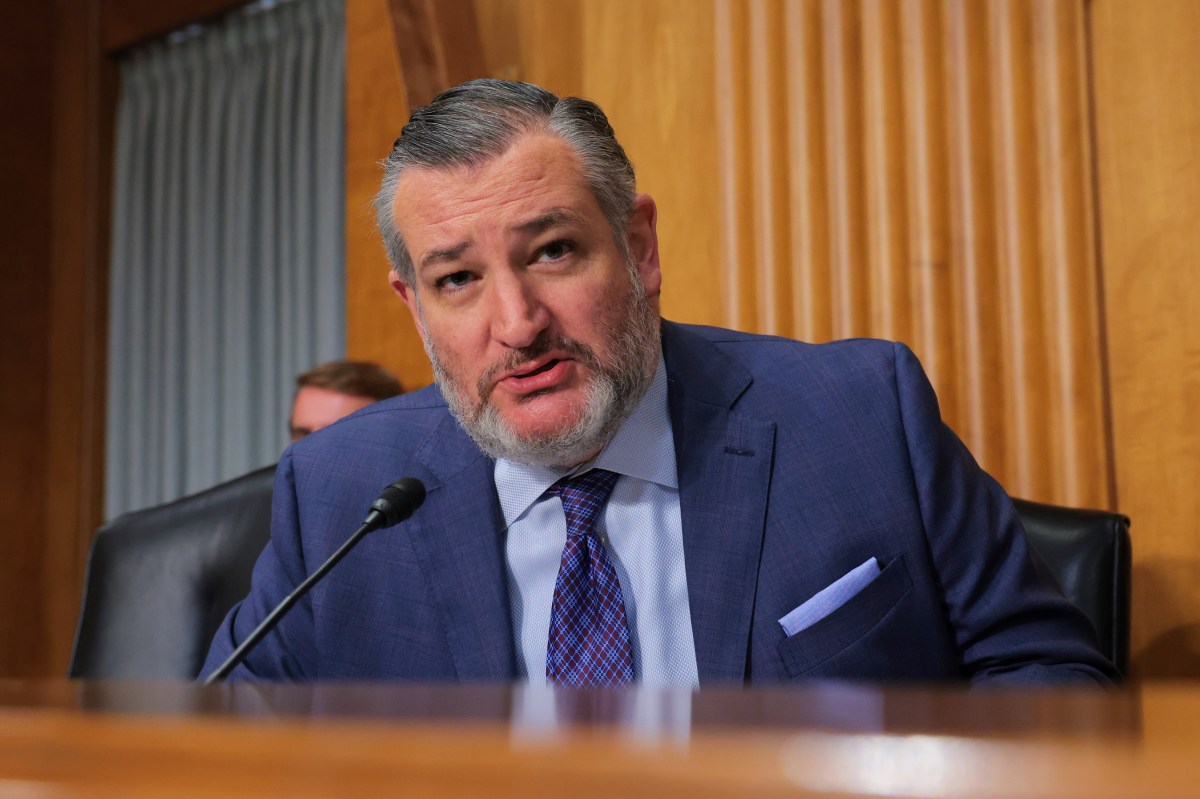
GOP Senator Says Ted Cruz Wants to Be President: What 2028 Polls Show
Senator John Cornyn offered a potential glimpse into the Republican Party's early 2028 presidential maneuvering, suggesting that fellow Texas Senator Ted Cruz still harbors White House ambitions.
Speaking with Semafor, Cornyn quipped that he did not want to "jinx" either Vice President JD Vance or Secretary of State Marco Rubio by endorsing them as the party's potential future leader. However, he was more direct when discussing Cruz, saying, "Don't tell Ted Cruz that, because Ted wants to be the next president."
The comment underscores how conversations about the post-President Donald Trump era are taking shape. Speculation of early positioning by potential candidates has continued, as polling since 2025 has shown close hypothetical contests between Vance and prominent Democrats while highlighting uncertainty within both parties.
Read More on News
No candidate has formally announced their candidacy.
Newsweek reached out to Cruz's office via email on Monday for comment.
What To Know
Cornyn's remarks come as Republicans are increasingly discussing potential 2028 presidential contenders.
While Cruz has not formally indicated whether he intends to run, he has long been viewed as a national figure within the conservative movement, having mounted a significant presidential campaign in 2016. Cornyn also acknowledged the intensely competitive nature of politics.
His comments also followed Cruz's decision not to endorse Cornyn's primary reelection effort.
“Ted’s entitled to make his own choices. I’m not bitter,” Cornyn said, according to Semafor. “People in politics are very competitive. … And they don’t necessarily care a whole lot about anybody else. That may sound a little harsh, but I think that’s kind of the reality. So I wish him well.”
Cornyn lost his Republican primary battle against Trump-backed candidate Ken Paxton. The Texas attorney general now faces Democratic candidate James Talarico in November's general election.
“I don’t know how Paxton raises the money he’s going to need to run against Talarico — who’s got unlimited resources — in the next four and a half months,” Cornyn said, per the outlet. “And while Talarico is definitely a weirdo, you know, take your pick.”
For now, the 2028 Republican presidential race remains largely speculative amid the upcoming 2026 midterm elections. Vance has also indicated that any decision about a run would likely come after the midterms.
What Recent 2028 Polls Show
Recent polling suggests that the Republican primary field remains somewhat fluid. Vance has emerged as an early front-runner in several polls, likely due to his position as vice president and close ties to Trump, though some recent surveys have shown his support softening.
At the same time, Rubio has gained momentum in several early 2028 polls, benefiting from increased national visibility as secretary of state.
A survey from Emerson College Polling shows Rubio landed 34.6 percent of the potential vote versus Vance's 35.5 percent. Florida Governor Ron DeSantis came in a distant third with 5.4 percent and former South Carolina Governor Nikki Haley won 4.6 percent. The poll also shows that 1 percent would pick someone else and 15 percent are undecided.
The survey was taken on May 24 and May 25 among 432 likely Republican primary voters and has a credibility interval of 4.7 percent.
A poll from the Public Sentiment Institute shows former Vice President Kamala Harris led Vance 47 percent versus 38.9 percent. Against Rubio, Harris had 46.9 percent versus his 38.9 percent. The poll also shows Harris leading versus DeSantis, 47.2 percent to 38.8 percent, and Cruz, 46.1 percent to 38.5 percent.
Former Transportation Secretary Pete Buttigieg trails Harris but still leads Vance with 45.7 percent to 39.8 percent and also leads Rubio, 44.3 percent to 39 percent. Against DeSantis, Buttigieg leads 45.2 percent to 37.3 percent and against Cruz, he's ahead with 45.5 percent to 37.5 percent.
The poll surveyed 893 likely voters on May 21 and has a margin of error of 3.8 percent.