


 North Carolina
Latest Coverage
See all articles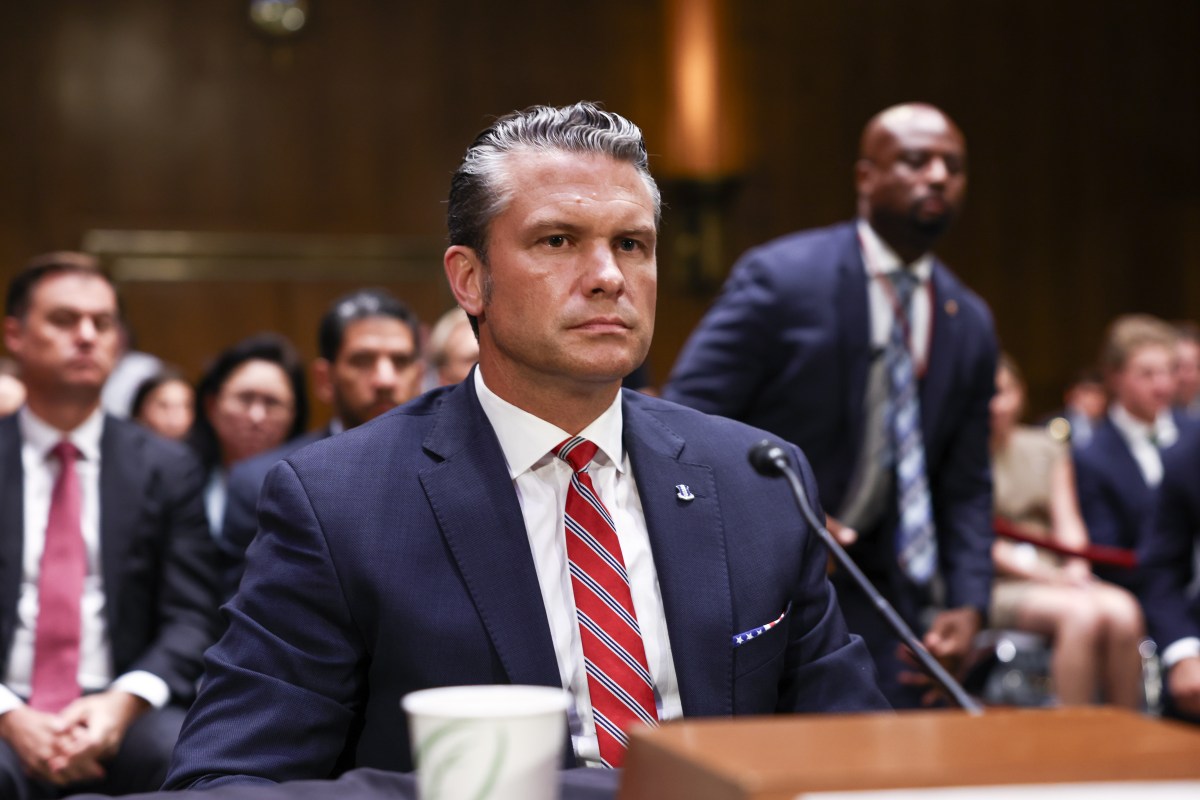
Thom Tillis says Pete Hegseth has "lost my confidence"
Republican Senator Thom Tillis said Defense Secretary Pete Hegseth has "lost my confidence," delivering some of the sharpest criticism yet from a GOP lawmaker as the Trump administration faces mounting scrutiny over the costs, duration and management of the war with Iran.
The North Carolina lawmaker shared the remarks in an interview with The Hill amid growing questions from lawmakers about the Pentagon's handling of a conflict that has stretched on for months and expanded beyond its initial scope.
"I don't have any confidence in him anymore," Tillis said of Hegseth. "He's all over the place." The senator went on to accuse the defense secretary of micromanaging the Pentagon, accelerating the departure of respected military leaders and lacking experience managing large organizations.
Read More on Politics
"He's lost my confidence," Tillis said.
The comments mark a notable escalation from Tillis, who cast a key vote confirming Hegseth as defense secretary but has increasingly voiced concerns about his leadership over the past year. While other Republicans have raised concerns about Hegseth's firing of senior military officers or other Pentagon controversies, Tillis's declaration that Hegseth has lost his confidence stands out as one of the clearest public rebukes from within the GOP.
President Donald Trump, however, defended Hegseth when asked by reporters Monday whether he had grown frustrated with the defense secretary's advice regarding the war with Iran.
"No. I think he's done a great job. We've pretty much destroyed their military," Trump said.
Newsweek reached out to the Pentagon for comment on Monday.
Why It Matters
The criticism comes at a sensitive moment for the Trump administration as lawmakers debate additional defense spending tied to the war with Iran and assess the Pentagon's strategy in the conflict. The Hill reported that some Republican senators have grown frustrated with the duration of the war, the economic effects of the prolonged closure of the Strait of Hormuz and what they view as shortcomings in the administration's planning.
Tillis has also become one of the most independent Republican voices in the Senate since announcing he would not seek reelection, putting him at odds with the administration on a range of issues. In recent months, he has openly criticized Cabinet officials, pushed back on aspects of the administration's foreign policy and emerged as one of the few Republican senators willing to publicly challenge senior Trump appointees.
Tillis's Criticism Builds Over Time
The latest comments did not emerge in a vacuum.
Months before declaring that Hegseth had lost his confidence, Tillis was already expressing concerns about the defense secretary's management style and treatment of senior military leaders.
In May, Tillis issued an unusually blunt warning after reports surfaced that General Chris Donahue, commander of U.S. Army Europe and Africa, could be sidelined as part of a broader Pentagon restructuring. At the time, the senator accused Hegseth of making "impulsive decisions not grounded in reality or good judgment." He also urged the defense secretary to surround himself with experienced military professionals rather than "yes-men."
"If the rumors are true that Hegseth is trying to sideline General Chris Donahue...he is taking another step down a dangerous path," Tillis said in a statement posted to social media. He described Donahue as one of the nation's finest military leaders and argued that removing him would not serve the interests of U.S. national security.
At the time, Tillis's criticism centered largely on personnel decisions rather than Hegseth's overall suitability for the job.
Earlier signs of friction emerged before Tillis declared that Hegseth had lost his confidence. In late 2025, he questioned Hegseth's handling of the Signal group chat controversy and criticized the defense secretary for dismissing reports about a Navy operation that were later confirmed. Tillis argued that Hegseth had damaged his own credibility by making public statements before all the facts were known.
The latest remarks go significantly further.
A Broader Debate Over Military Leadership
Much of the criticism directed at Hegseth has focused on a sweeping overhaul of military leadership that has unfolded during his tenure at the Pentagon.
The defense secretary has overseen the removal, retirement or reassignment of a number of senior officers, triggering concerns among lawmakers and former military officials about the impact on institutional knowledge and military readiness.
Earlier this year, Tillis warned that sidelining respected commanders could undermine morale and send the wrong message to military personnel. He specifically defended Donahue, a highly decorated Army general best known for serving as the last U.S. service member to leave Afghanistan during the 2021 withdrawal. Tillis argued that Donahue represented the type of experienced military leadership the Pentagon should be retaining, not pushing aside.
Other lawmakers have voiced similar concerns.
Senator Tim Kaine, a Virginia Democrat and member of the Senate Armed Services Committee, questioned whether repeated leadership shake-ups could discourage military officers from offering candid advice to civilian leaders. Representative Don Bacon, a Nebraska Republican and former Air Force brigadier general, also criticized the dismissals, arguing they risked politicizing the military promotion process.
Critics have repeatedly stressed that the issue is not whether a defense secretary has the authority to replace senior commanders. Rather, they have questioned the scale and timing of the personnel changes, particularly while the United States remains engaged in an overseas conflict.
The Pentagon has maintained that senior military leaders serve at the discretion of civilian leadership and that personnel decisions are consistent with longstanding practice.
“General officers and flag officers serve at the pleasure of the President and the Secretary of War," chief Pentagon spokesman Sean Parnell recently told Newsweek. "They always have and always will."
Iran War Intensifies Pressure
Tillis's latest comments come as the administration faces growing questions about its strategy in Iran.
According to The Hill, some Republican lawmakers have expressed frustration that the conflict has lasted far longer than initially anticipated. Concerns have also emerged over the continuing closure of the Strait of Hormuz and the broader economic consequences of disruptions to key shipping routes in the region.
The criticism comes as Trump has sought to project confidence about the administration's approach to Iran. Speaking to reporters on Monday, Trump said Iran had "taken a beating" in recent weeks and had approached the United States seeking talks.
"Iran took a beating over the last 14 days. And they asked us very nicely, please stop. Let's speak. And that's what we are right now. We'll see what happens. If we don't make a deal, we go back to the same thing," Trump said.
The remarks suggested the White House believes military pressure has strengthened its negotiating position, even as some lawmakers question the costs and duration of the conflict.
Trump also sought to reassure the public about U.S. military readiness amid questions about the strain a prolonged conflict could place on American weapons stockpiles. Asked by reporters whether the United States had sufficient ammunition reserves, Trump said the military remained well supplied despite years of support for Ukraine.
"We have a lot of ammunition, different types," Trump said. He argued that former President Joe Biden had provided large quantities of military equipment to Ukraine but said production was being ramped up rapidly, pointing to expanded manufacturing of Patriot and THAAD missile defense systems. The president said the United States was "in very good shape" while adding that he would still like to see increased production of some advanced weapons systems.
The Hill reported that several GOP senators are questioning whether the administration fully anticipated Iran's response to U.S. military operations, including attacks involving regional proxy groups and threats to maritime traffic.
Tillis suggested that turnover among senior military leaders may have affected strategic planning and decision-making.
"Everybody knows about some of the Game of Thrones stuff going on," he told The Hill, referring to internal Pentagon dynamics. He argued that effective leaders should surround themselves with experienced advisers rather than marginalize them.
The senator also claimed that some of the generals who departed the Pentagon might have offered valuable insight into the risks of a prolonged regional conflict and Iran's ability to disrupt critical shipping lanes.
Retirement Gives Tillis More Freedom
Tillis's criticism may carry additional weight because of his political position.
The North Carolina senator announced previously that he would not seek reelection, freeing him from some of the political pressures that often discourage lawmakers from openly challenging senior administration officials.
Since then, he has emerged as one of the Republican conference's more outspoken voices on issues where he disagrees with the White House or Cabinet officials. That independence has made Tillis a closely watched figure in debates over national security, defense spending and the direction of U.S. foreign policy.
While it remains unclear whether other Republican senators will echo his latest criticisms publicly, Tillis told The Hill he believes some lawmakers may be only "one decision or another" away from speaking out more forcefully about Pentagon leadership.
What Happens Next
For now, Tillis's comments represent one of the strongest signs yet of dissatisfaction with Hegseth from within Republican ranks.
The senator who once cast a key vote to confirm Hegseth is now publicly declaring that the defense secretary no longer has his confidence—a striking reversal as questions mount over Pentagon leadership and the direction of the war in Iran.