


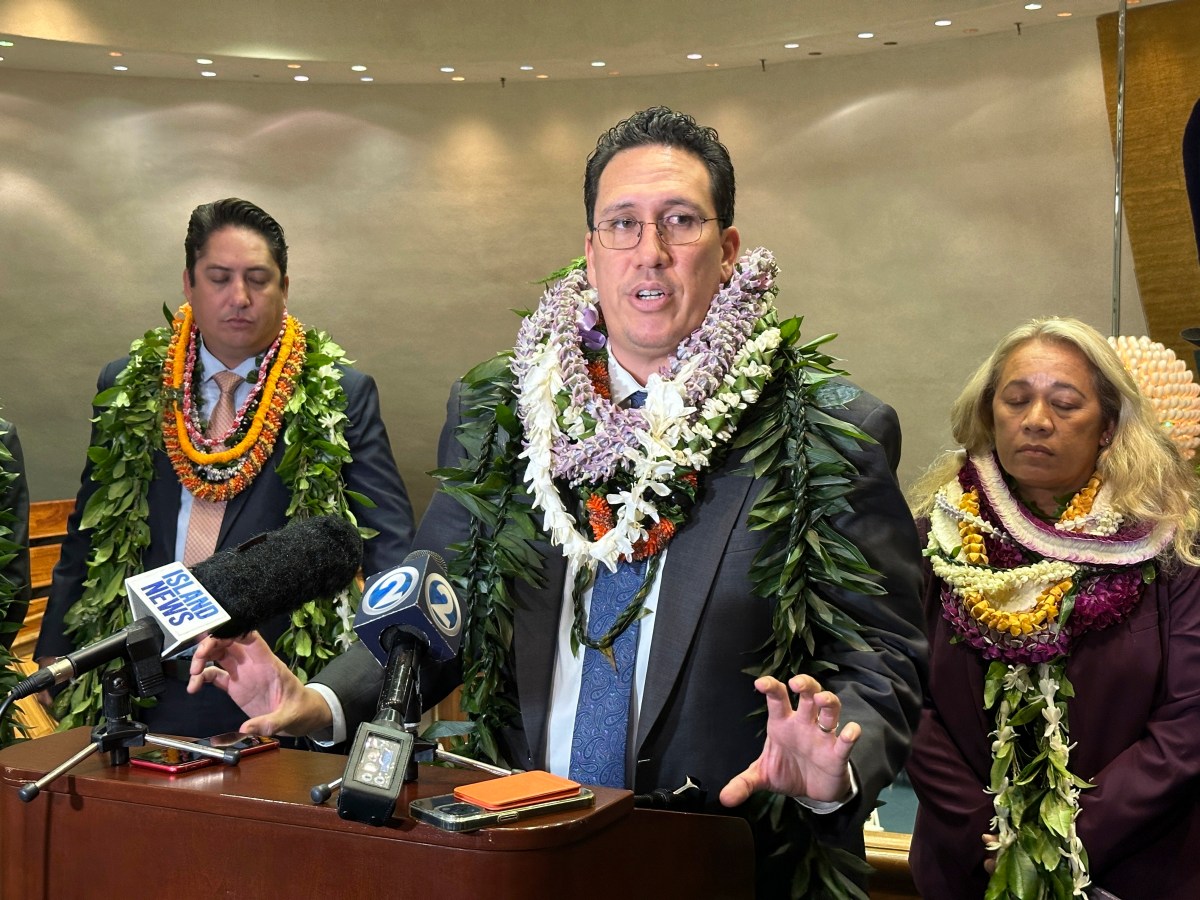
Can Progressive Democrat Jarrett Keohokalole Win Hawaii Primary? Final Polls
Hawaii voters are heading to the polls Saturday in a Democratic primary for the state's 1st Congressional District that has emerged as a high-stakes test of the party's internal divide over experience versus generational change.
Representative Ed Case, a 73-year-old moderate incumbent who has spent much of the past two decades in Washington, faces a robust challenge from 43-year-old state Senator Jarrett Keohokalole.
The contest mirrors progressive primary challenges nationwide targeting veteran lawmakers whom critics view as out of step with the party's grassroots base.
Read More on News
What Final Polls Show
Polling data ahead of Election Day paints a picture of a competitive race, though entering with contrasting momentum.
Prediction Edge averages from surveys conducted between October 2025 and July 2026 showed Case leading the field with 39.8 percent support, followed by Keohokalole at 27.3 percent and former state House Speaker Della Au Belatti at 21 percent. However, Belatti announced in May that she was giving up her bid for Congress to run for lieutenant governor.
The New York Times' polling tracker similarly showed Case ahead but not out of danger.
A poll by Blueprint Polling on July 24 shows Keohokalole leading Case, 47 percent to 38 percent among 278 likely voters. However, in a survey from Blueprint Polling that was conducted between July 7-8, Case was ahead by 8 points—33 percent to 25 percent. Both polls were sponsored by Keohokalole.
Prediction markets also pointed to a much tighter race than the polling averages alone. As of early Saturday afternoon, Prediction Edge showed Case with a 56 percent chance of winning the nomination compared with 48 percent for Keohokalole.
Establishment vs. Progressive
The campaign has largely focused on competing visions of leadership for the safely Democratic, Honolulu-based district. Case won reelection in 2024 with about 72 percent of the vote while Democratic Vice President Kamala Harris received about 62 percent of the district vote in the presidential election against Trump.
Case has positioned his seniority and tenure on the powerful House Appropriations Committee as critical assets for Hawaii, pointing to his role in securing federal resources for pandemic recovery, the Red Hill water crisis, and the aftermath of the Maui wildfires.
“You can argue it all you want, but in Congress seniority matters,” Case told Hawaii Public Radio in July.
Keohokalole has run on a platform of generational renewal, calling for more aggressive action on affordability, healthcare, and national policy issues. He has criticized Case for votes that alienated progressives, including his support for President Donald Trump's Safeguard American Voter Eligibility (SAVE) Act, and argued that the current political landscape demands a younger, more confrontational approach.
Case told Hawaii Public Radio that the version of the SAVE Act he voted for provided accommodations for voters who don't present the required documentation, including signing a written attestation of their citizenship. He has voted against subsequent versions of the bill that didn't provide those accommodations.
Case and Keohokalole were evenly matched in terms of campaign fundraising and spending, although Case had a sizable advantage in terms of cash in the bank heading into the campaign's final stretch.
Why Democrats Are Watching
The primary is the latest in a series of contests this cycle featuring progressive challengers targeting long-serving House Democrats, fueling broader debates over the party's future leadership and direction.
While Case maintains advantages in name recognition and campaign funding, an upset by Keohokalole would signal continued appetite among Democratic voters to replace veteran lawmakers with younger alternatives.
What Happens Next
The winner will face Republican Adriel Lam, who is unopposed in the primary, in November's general election.
Hawaii conducts its elections primarily by mail. Ballots are mailed to all registered voters. Less than 2 percent of 2024 state primary voters cast their ballots in person. As of Tuesday, about 179,000 ballots had already been cast in Saturday's election.
Polls close at 7 p.m. local time, which is 1 a.m. ET Sunday.